내용 이해가 쉽도록 위 사이트 원 번역문 내용을 단문형태로 끊어 표현을 바꿔 기재한다.
다만, 여건상 일부분만 살피는 경우가 많다.
따라서 작업중 파일을 별도로 만든다.
그리고 클라우드 드라이브 폴더에 보관한다.
그리고 이후 계속 수정보완해가기로 한다.
그리고 완료되면 본 페이지에 직접 붙여나가기로 한다.
작업중인 파일은 다음 폴더 안에서 K0891_T1442_in 파일을 참조하면 된다.
https://drive.google.com
●차후 링크가 변경되어 연결되지 않을 때는 다음 페이지 안내를 참조한다. buddhism0077
wikiart ○ [pt op tr] 예술작품 사진 공양, 나무불, 나무법, 나무승 -portrait-of-jasper-schade-van-westrum-1645.jpg!HD
from https://en.wikipedia.org/wiki/Frans_Hals Title : portrait-of-jasper-schade-van-westrum-1645.jpg!HD Info Permission & Licensing : Wikiart ● [pt op tr] fr
○ 2018_0419_140650_can.jpg
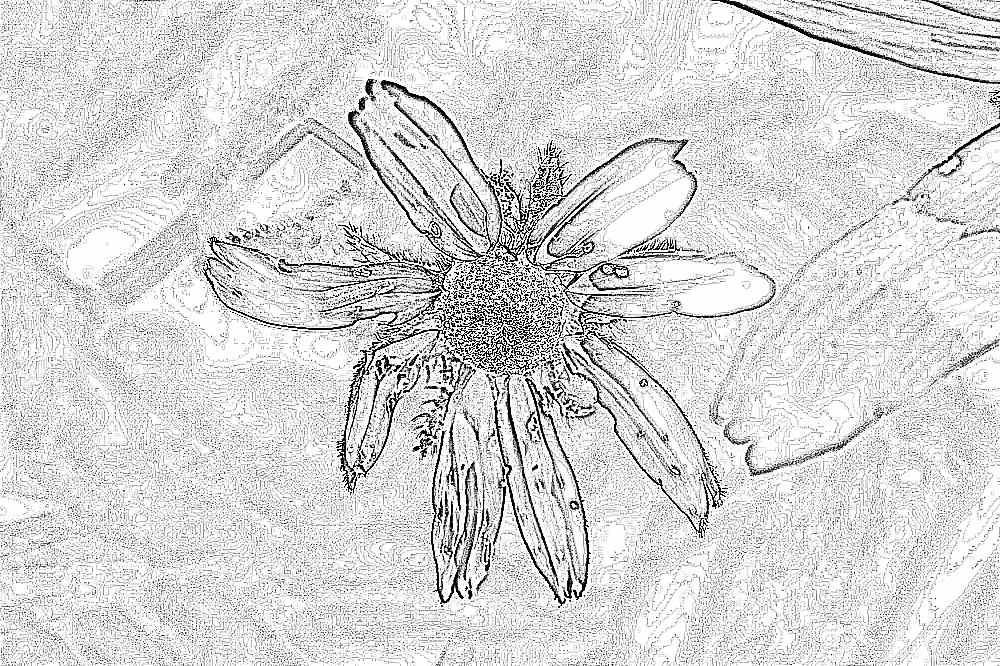
○ [pt op tr] 꽃 공양, 나무불, 나무법, 나무승
○ [pt op tr] 아름다운 사진 공양, 나무불, 나무법, 나무승 ○2019_1105_121453_canon_BW21_s12
♡Shitthaung Paya, Mrauk-U, 미얀마(버마)
○ [pt op tr] 아름다운 풍경사진 공양, 나무불, 나무법, 나무승 With the image 'Google Earth & Map data: Google, DigitalGlobe'
Burma_Mrauk_U_Shittaung_Temple_Carvings_Inside_the_Chamber_(7573298122) Description The Shitthaung's most prominent feature is not the central hall, but rather the three layers of maze-like corridors that encircle the main hall. The three corridors contain countless reliefs of Buddhas, Bodhisattvas, Kings of Spiritual abodes, Devas, uardian spirits, the 550 Jatakas, Arakanese culture and animals, both real and mythical. Date 16 March 2012, 00:22 Source Burma/Mrauk U/Shittaung Temple/Carvings Inside the Chamber/ Author DANIEL JULIE from Paris, France Camera location 20° 43′ 03.3″ N, 93° 06′ 13.09″ E Permission & Licensing : Wikipedia
[fra-eng]
établîmes $ 불어 established [chn_eng_soothil]
囘向 迴向 pariṇāmanā. To turn towards; to turn something from one person or thing to another; transference of merit); the term is intp. by 轉趣 turn towards; it is used for works of supererogation, or rather, it means the bestowing on another, or others, of merits acquired by oneself, especially the merits acquired by a bodhisattva or Buddha for the salvation of all, e. g. the bestowing of his merits by Amitābha on all the living. There are other kinds, such as the turning of acquired merit to attain further progress in bodhi, or nirvana. 囘事向理 to turn (from) practice to theory; 囘自向他 to turn from oneself to another; 囘因向果 To turn from cause to effect. 囘世而向出世 to turn from this world to what is beyond this world, from the worldly to the unworldly. [vajracchedikā prajñāpāramitā sūtraṁ]
▼●00-00 नमो भगवत्या आर्यप्रज्ञापारमिताय namo bhagavatyā āryaprajñāpāramitāyai 복덕이 갖추어졌으며 고귀한 '지혜로 피안에 건너간 상태'에 귀의합니다. ▼▷[namo] ① namaḥ(ƺ.) → [귀의합니다.] ② namas(ƺ. a bow, salutation [w/dat.]; food; a thunderbolt; a gift: ƿ. bow, obeisance) ▼[bhagavatyā] ① bhagavatyai(nj.→Ʒ.dat.) → [복덕이 갖추어진] bhagavatyai(Ʒ.dat.) < bhagavatī(Ʒ.) < bhagavat(nj.) bhagavatyai ārya~ → bhagavatyā ārya~ : 어여와야와 산디(ayavāyāva sandhi) ② bhagavat(nj. glorious, illustrious; revered, venerable, divine, holy: ƾ. a god, deity) ▼[āryaprajñāpāramitāyai] ① ārya+prajñā+pāramitāyai(Ʒ.dat.) → [고귀한 지혜로 피안에 건너간 상태에.] → 고귀한 반야바라밀에. ② ārya(nj. Āryan; worthy, venerable, respectable: Ʒ. a motherinlaw; a respectable woman) < ṛ(1.ǁ. to go, move; to rise, tend forwards: 3.ǁ.[Ved.] to go; to move, shake; to obtain, gain, acquire, reach: 5.ǁ. to injure, hurt; attack) + 「ṇ」ya「d」 ② prajñā(Ʒ. intelligence, understanding; discrimination, judgment; device) ② pāramitā(Ʒ. complete attainment, perfection; transcendental virtue) < pāramita(nj. gone to the opposite bank or side; crossed, traversed; transcendent)